Loading...
Loading...
How to seal, clean, and maintain natural stone — limestone, marble, and basalt. Product recommendations, frequency, and what to do when stone stains or etches.
Natural stone is porous — varying degrees of porosity depending on stone type. Limestone absorbs 2-6% water by weight, marble 0.5-2%, basalt 0.1-0.5%. Without sealing, liquids penetrate the surface and leave stains, and acidic substances (wine, lemon juice, vinegar, coffee) etch calcite-based stone (limestone and marble). Sealing creates a barrier that slows absorption — giving you time to wipe spills before they penetrate. Important: sealers do not make stone stain-proof or acid-proof. They extend the window for intervention. The sealing requirement varies by stone type, application, and exposure. Basalt (Solara volcanic stone) has near-zero porosity and typically does not require sealing in most applications — one of its key advantages for exterior and outdoor kitchen use.
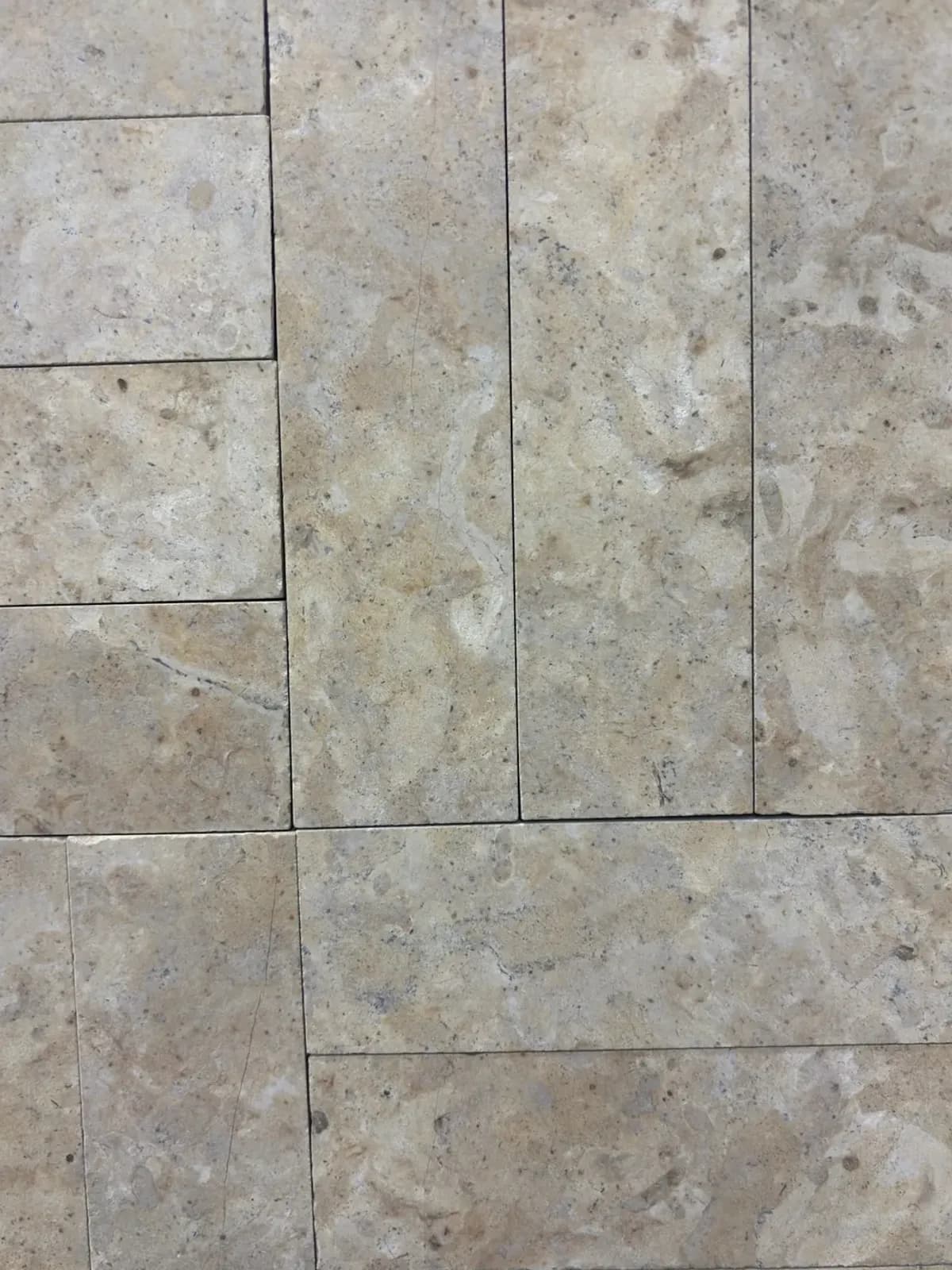
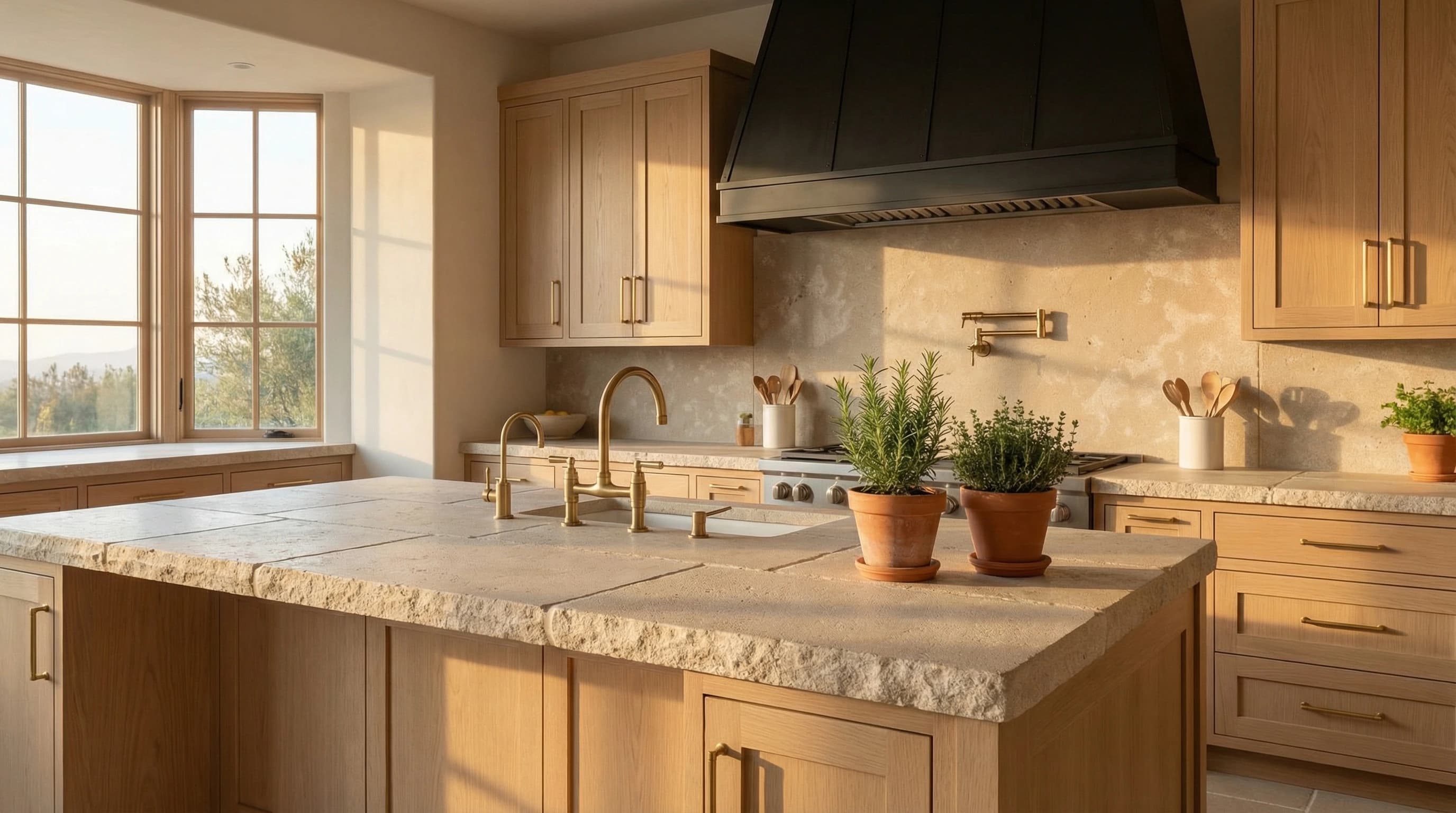
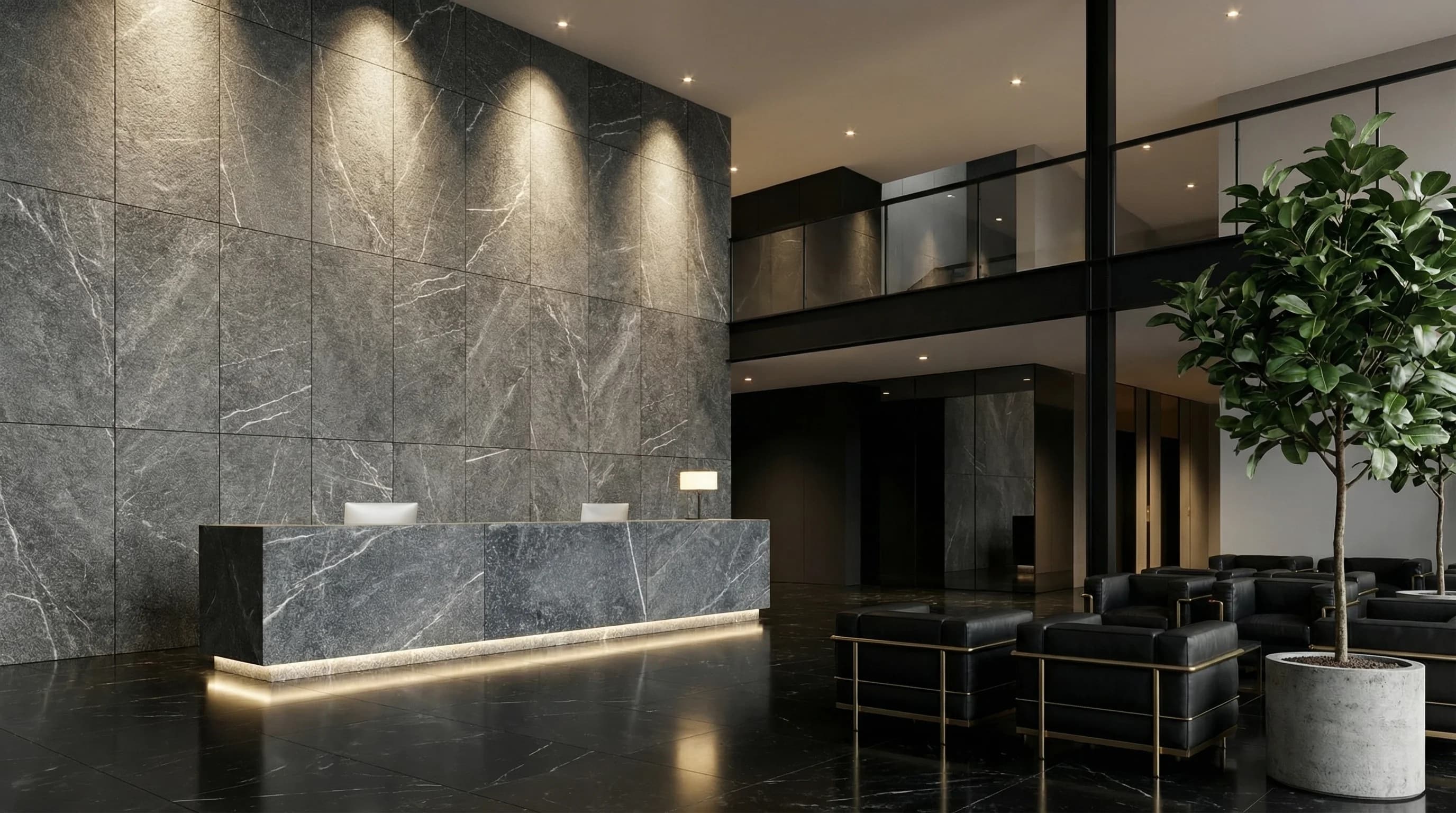
Limestone (Atlas Beige, Montravel, Atlas Greige, Fossil Stone, Moroccan Limestone): Highest porosity category (2-6%). Seal before grouting and before use. Reapply every 12-18 months for interior floors, every 8-12 months for exterior or pool-adjacent areas. Use penetrating impregnator (silicone or fluoropolymer-based). Recommended products: Aqua Mix Sealer's Choice Gold, Miracle Sealants 511 Impregnator, Mapei Ultracare Stone Impregnating Sealer. Do not use topical (film-forming) sealers on limestone — they peel, discolor, and trap moisture. Marble (Atlas Marble, Mountain Black): Medium porosity (0.5-2%). More sensitive to acid etching than limestone — etching occurs before staining. Seal every 12 months for honed finishes, every 18-24 months for polished finishes (polishing reduces porosity). Use same penetrating impregnators as limestone. Note: sealing does not prevent etching from acid contact — it only delays staining. Basalt / Volcanic Stone (Solara): Very low porosity (0.1-0.5%). Sealing optional for most applications. If specified for outdoor kitchens or food preparation areas: seal once with food-safe sealer at installation. Reapplication typically not required for 5-10 years.
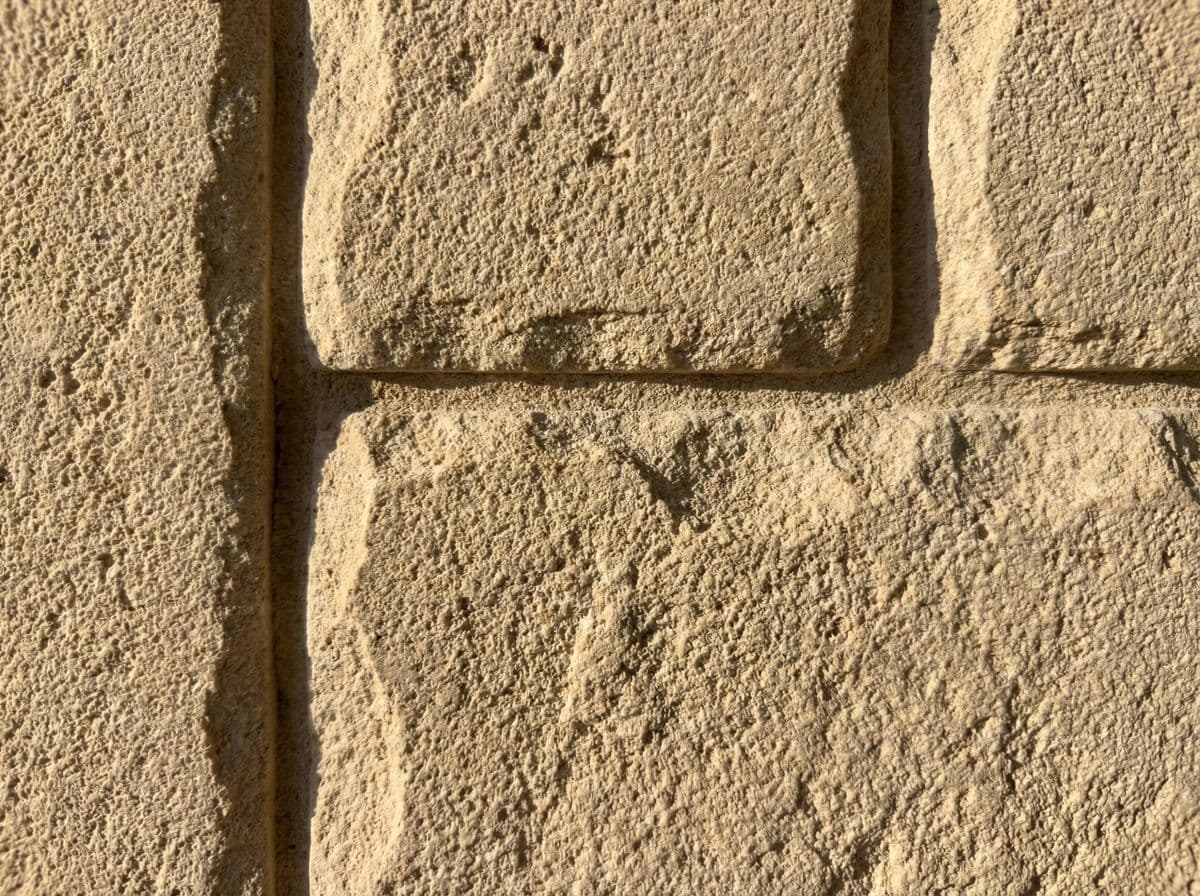
Sealing procedure (applicable to all stone types): (1) Clean the surface thoroughly — remove all construction debris, grout haze, and efflorescence. Use stone-safe cleaner (pH neutral). Do not use vinegar, bleach, or ammonia-based products on stone. (2) Allow stone to dry completely — minimum 24 hours after cleaning, 48 hours if stone was recently installed on wet-set mortar. (3) Apply impregnating sealer: pour small amounts and spread with clean cloth or foam applicator. Work in sections of 2-3 m2. (4) Allow penetration time per manufacturer instructions — typically 5-15 minutes. Do not let sealer dry on the surface. (5) Buff off excess sealer with clean dry cloth — residual sealer on the surface creates a hazy film. (6) Apply second coat if stone absorbs the first coat rapidly (visible darkening that lightens within 2-3 minutes). (7) Allow 24-hour cure before foot traffic, 48-72 hours before washing or heavy use. Test coverage: a sealed stone should bead water on the surface rather than absorbing it immediately.
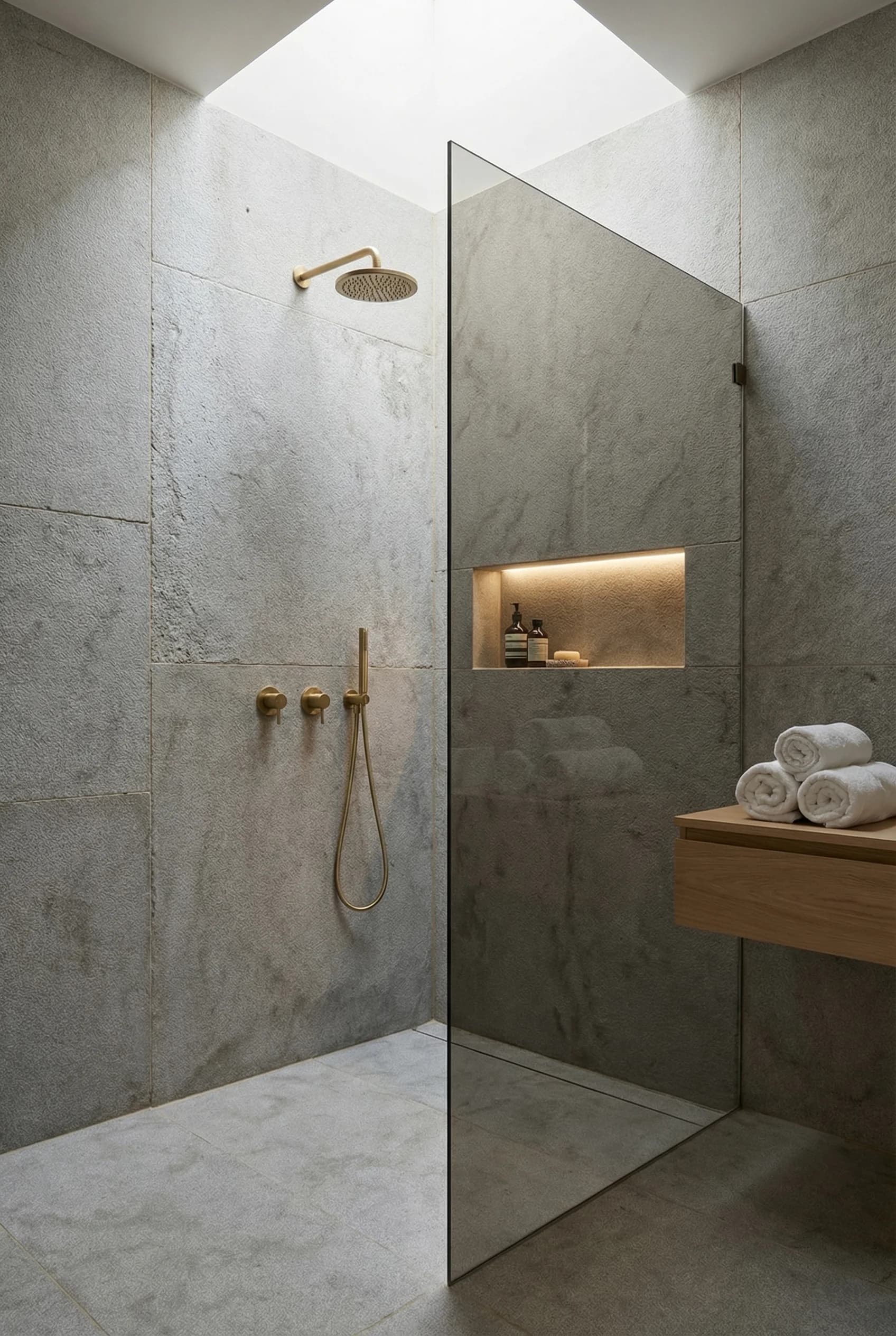
Daily cleaning for interior stone floors: dry mop or vacuum daily to remove grit (grit scratches stone over time). Damp mop with pH-neutral cleaner weekly. Products: Stone Tech Professional Daily Cleaner, Aqua Mix Daily Cleaner, or diluted dish soap (1 teaspoon in 4L warm water). Avoid: vinegar, lemon-based cleaners, bleach, ammonia, steam cleaners on limestone and marble (steam can etch). For polished marble: microfiber mop only — standard string mops scratch polished surfaces. For honed limestone floors: nylon bristle brush acceptable for textured finishes. For outdoor stone (pool decks, terraces): pressure wash annually with wide fan nozzle at low pressure (600-800 PSI). For Castle or Rustic textured surfaces: soft-bristle brush for grout joints. Avoid pressure washing directly on limestone above 1000 PSI — surface can erode over repeated applications.
Stain treatment by type: Oil stains (cooking oil, grease, motor oil) — apply poultice: mix baking soda or talc with acetone or hydrogen peroxide to paste consistency, apply 1-2cm thick over stain, cover with plastic and tape, leave 24-48 hours, scrape off and rinse. Repeat for deep penetration. Red wine, coffee, tea — same poultice method with hydrogen peroxide as liquid. Act within 24 hours for best results — these stains set after 48 hours and become permanent without professional grinding. Rust stains (from metal furniture legs or fittings) — use iron-out product specifically formulated for stone (Iron Out or Marble Life Iron and Rust Remover). Do not use generic rust removers — many contain acid that etches stone. Etch marks on marble (dull spot from acid contact) — for honed marble: light buffing with marble-polishing powder (Marble Life Polishing Powder) and felt pad. For polished marble: deep etch requires professional re-polishing. Prevention is critical — wipe acid spills immediately. Efflorescence (white powdery deposit) — dry brush removal followed by efflorescence cleaner (Aqua Mix Efflorescence Cleaner). Address moisture source from below — efflorescence indicates water movement through the stone.
Interior residential stone (limestone floors, marble countertops): Month 1 (installation): seal before grouting + after grouting cleanup. Month 12: inspect water beading — if water absorbs in <1 minute, reseal. Every 12-18 months: reseal. Every 3-5 years: deep clean with stone-safe stripper to remove product buildup, then reseal. Exterior stone (pool decks, terraces, outdoor kitchens): Before first use: seal all limestone and unsealed stone. Every 8-12 months: reseal (outdoor exposure accelerates sealer breakdown). After any chemical application (pool shock, fertilizer): rinse immediately. Annual inspection: check for grout joint cracks and reseal to prevent water ingress. For Solara volcanic basalt outdoor: Annual inspection only — no sealing required. Rinse after chemical exposure. Pressure wash annually. Fireplace hearth stone: Initial seal before use. Annual inspection after winter (thermal cycling). Reseal if water absorption test fails (pour 2cm diameter water puddle — should stay on surface >3 minutes for well-sealed stone).