Loading...
Loading...
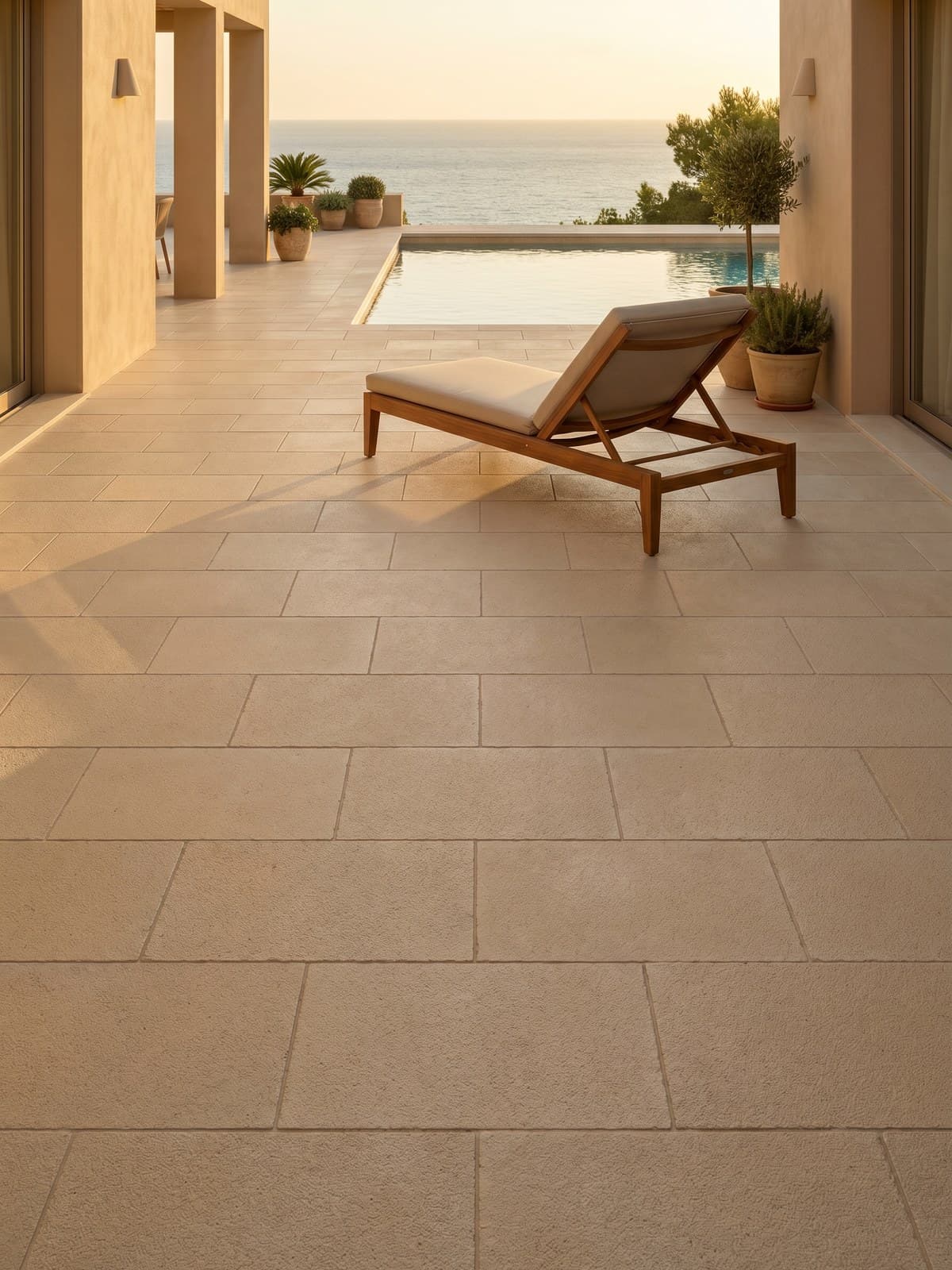
Design publications, architects, and material libraries are all saying the same thing: limestone has replaced polished marble as the default luxury surface. Here's why.
The 'quiet luxury' movement has reshaped material specification in high-end residential and hospitality. Where polished Carrara marble once dominated, designers now reach for honed limestone — warm, textured, and understated. The shift is visible across Coverings 2026 presentations, Architectural Digest features, and material library requests nationwide.
Limestone offers what marble cannot: consistent color without dramatic veining (less visual noise in minimalist interiors), superior scratch concealment (honed surface hides marks), warmer color temperature (beige/cream vs cold white), better outdoor performance (lower water absorption, UV stable), and a sustainability narrative (lower carbon footprint than quartzite/engineered stone).
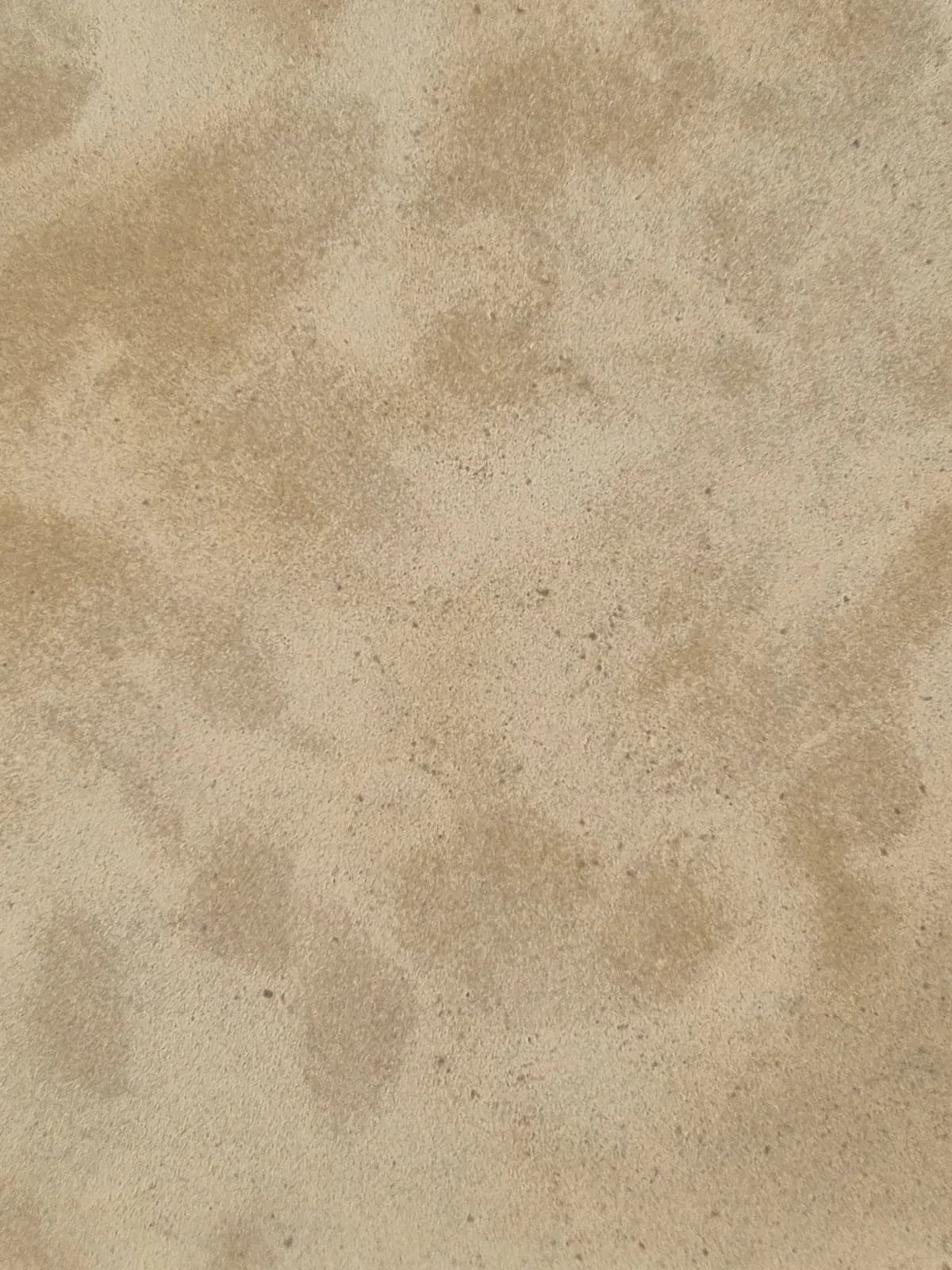
Material libraries report that limestone specification requests increased 40% year-over-year. Architects are specifying honed and leathered finishes for kitchen islands, full-height bathroom walls, and hotel lobbies. The dominant palettes are warm neutrals — sand, cream, taupe, and soft grey — exactly where Moroccan limestone excels.
Stonemade offers 10 limestone families specifically bred for this trend: Atlas Beige (warm cream), Atlas Grey (cool neutral), Atlas Greige (balanced), Solara (honey-gold), Honey (rich amber), Montravel (comparable to French limestone at 40% less cost), and more. Each available in up to 13 finishes.