Chargement...
Chargement...
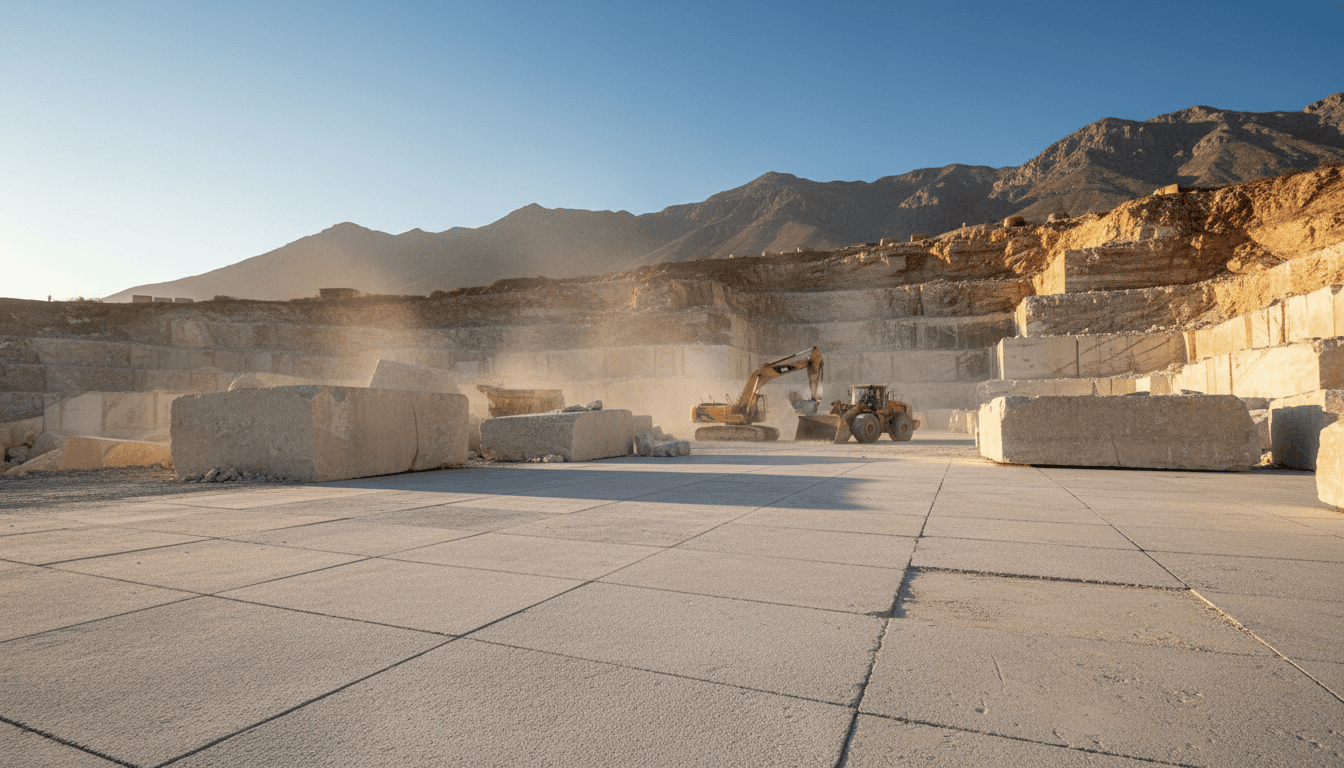
Atlas Beige vs Massangis, Comblanchien et Buxy — comparaison professionnelle de performance, cout, delai et gamme de finitions pour architectes.
French Burgundy limestone has been the gold standard for luxury architecture for centuries. Pierre de Bourgogne, Comblanchien, Massangis, and Buxy define what premium limestone looks like. But for US-based architects, specifying French stone means 12-20 week lead times, $55-325/m2 material costs, and complex import logistics. Moroccan limestone from the same geological era offers a compelling alternative — and architects across the US are taking notice.
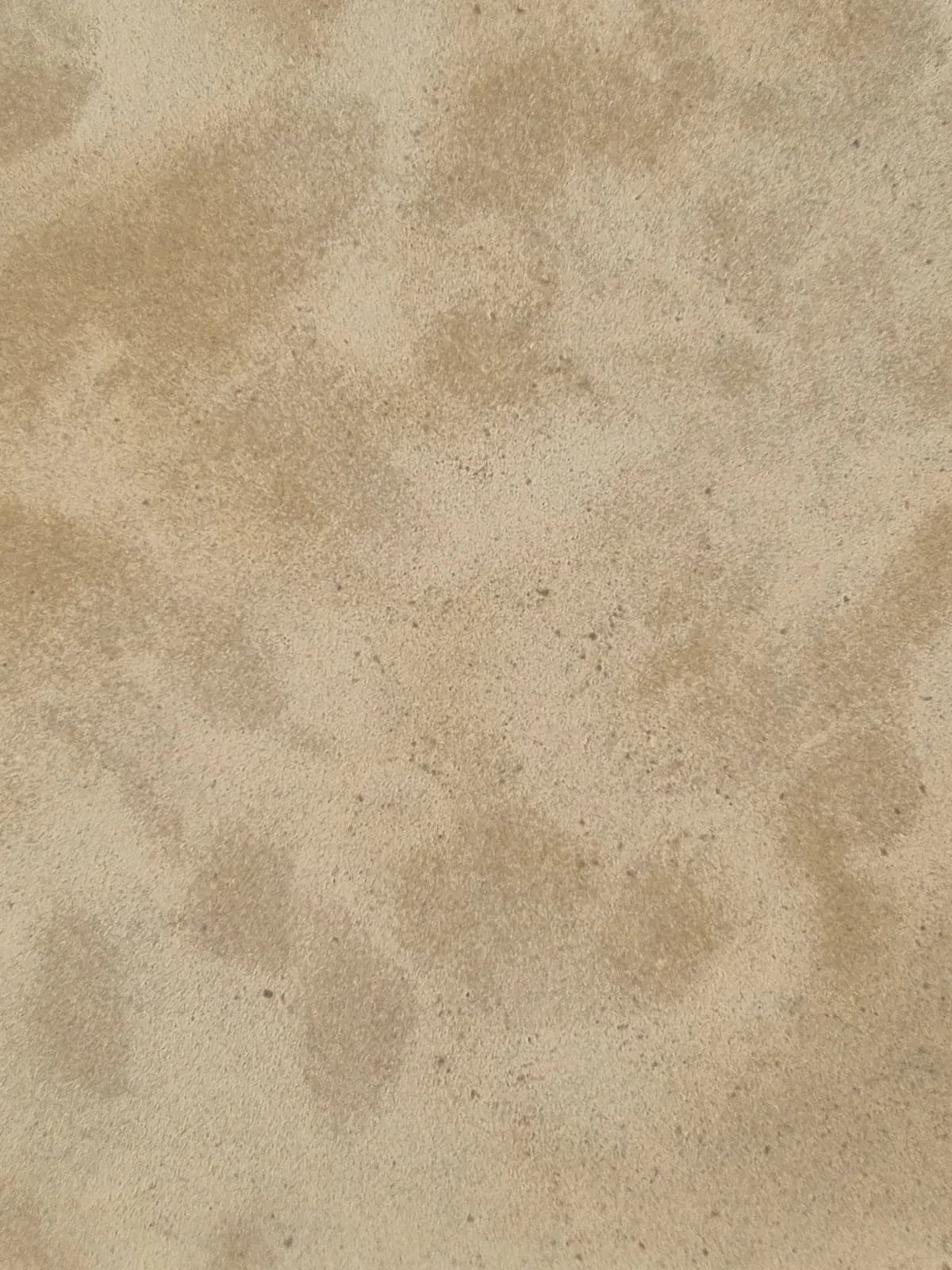
Atlas Beige vs Massangis Beige Clair: Both are warm cream-beige oolitic limestones. Massangis comes from Yonne (Burgundy) and is available in a signature 'Vieux Beaune' aged finish. Atlas Beige comes from the Middle Atlas Mountains and offers 18 finish variants including Castle, Aged, Honed, and Leather. Visually, the stones are remarkably similar — warm base tone, fine grain, subtle fossil content. Technically, Atlas Beige: density 2,450 kg/m³, compressive strength 46 MPa, water absorption 2.99% (CTM lab, ASTM C97/C170, May 2026). Atlas Beige vs Comblanchien: Comblanchien is one of the hardest French limestones, used in the Paris Opera. Atlas Beige Honed achieves a similar refined appearance at significantly lower cost. Montravel vs Buxy Gris: Both are grey limestones with blue-grey undertones. Buxy is quarried near Chalon-sur-Saone. Montravel comes from the Middle Atlas. The visual similarity is strong — both have the cool elegance that architects specify for contemporary commercial interiors. Solara vs Massangis Jaune Clair: Both are golden-toned limestones. Massangis Jaune Clair is a pale yellow Burgundy stone. Solara offers a warmer, more saturated golden tone with UV stability for outdoor use.
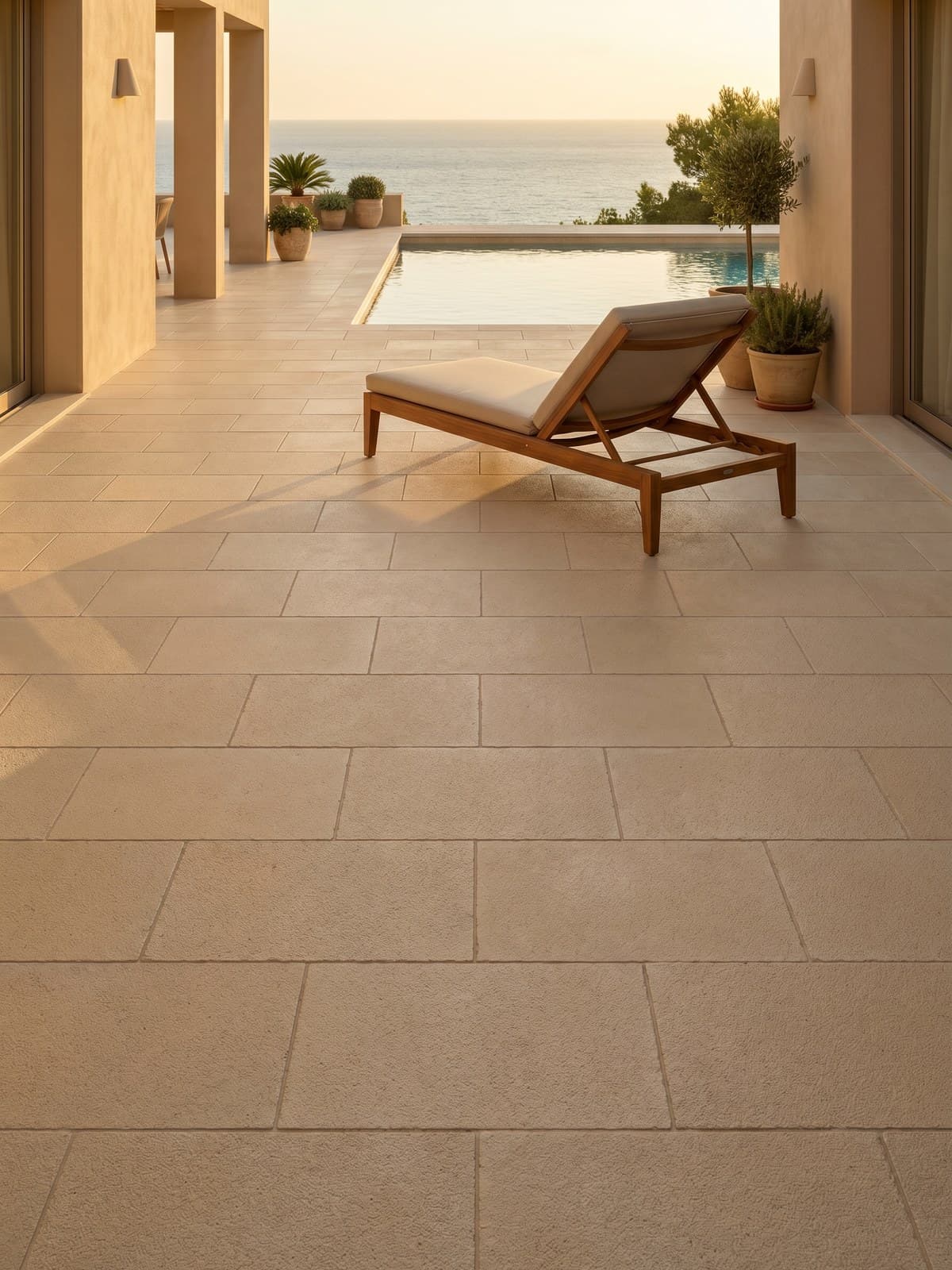
Both Moroccan and French limestones share geological ancestry — North African and European limestone formations date to the same Jurassic/Cretaceous periods. The technical specifications are comparable: compressive strength 40–90 MPa (ASTM C170, varies by product — Atlas Beige 46 MPa, Atlas Grey 87 MPa), water absorption < 4% (ASTM C97, suitable for exterior use), density ~2,450 kg/m³ (ASTM C97), frost resistance certified EN 12371. Where Moroccan stone often excels: finish variety (up to 18 options per stone vs 3–5 for French), format range (29 standard sizes from 5x5cm to 90x120cm), and batch consistency (single-quarry sourcing eliminates variation).
This is where the comparison becomes decisive. French limestone: material cost $55-325/m2 depending on stone and finish, lead time 12-20 weeks (quarry to US jobsite), import duties apply (standard MFN rates), shipping via Atlantic ports (Le Havre to US East Coast). Moroccan limestone: material cost significantly lower at wholesale DDP pricing, lead time 8-12 weeks (factory to US jobsite), 0% import duty under MAFTA (Morocco-US Free Trade Agreement), DDP delivery included (factory handles everything door-to-door). For a 500 m2 project, the cost difference can exceed $25,000 — savings that can fund upgraded finishes, larger formats, or additional scope.
Stonemade offers up to 18 finishes per stone family — Castle, Rustic, Aged, Honed, Mirror, Leather, Dune, Split, and compound finishes like Castle-Aged and Dune-Textured. Most French quarries offer 3-5 finishes. This versatility allows architects to specify a single stone across an entire project — lobby floor in Honed, feature wall in Castle, exterior facade in Rustic — maintaining geological consistency while varying the surface expression.
When specifying Moroccan limestone as an alternative to French: (1) Request physical samples — we ship free sample boxes to any US address. (2) Compare side-by-side with your current French stone specification. (3) Review our technical data sheets for ASTM compliance. (4) Specify by Stonemade product name (e.g., 'Atlas Beige Castle, 60x60cm, 20mm') on your drawings. (5) Contact us for project-specific pricing and lead time estimates. We work directly with architects, providing cut-sheet samples, technical specifications, and installation guidance.